The Festival Tower: Architectural Significance and Impact
Market Insights
Dubai's real estate landscape is as dynamic as its skyline, with ever-evolving trends and emerging opportunities that both investors and homebuyers must understand to navigate this thriving market effectively. The Festival Tower, standing as a prime example of this growth, sits in a city that continues to draw international attention and capital. The relevance of this architectural marvel goes beyond its physical structure; it encapsulates the spirit of modern living interwoven with cultural heritage.
Current Trends in Dubai Real Estate
Real estate in Dubai is currently marked by a few notable trends:
- Diversification of Property Types: With the increasing demand for mixed-use developments, properties that combine residential, commercial, and entertainment features are gaining traction. The Festival Tower exemplifies this approach by catering to various needs in one location.
- Sustainability and Smart Technologies: Buyers are looking for eco-friendly features and smart-home technologies. This focus not only enhances the living experience but also optimizes heating, energy use, and overall maintenance costs.
- Increased Interest from Foreign Investors: Dubai's favorable regulations for foreign property ownership have made it an attractive location for overseas investors. The recent shifts in global economic conditions have only intensified this interest, with many looking at Dubai as a safe haven for their investments.
Predicted Market Growth and Future Opportunities
Analysts project that the real estate market in Dubai will continue to flourish in the coming years. Recent studies suggest several key drivers behind this anticipated growth:
- Expo 2020 Legacy: The legacy of Dubai Expo 2020 is expected to reverberate through the real estate sector, prompting increased tourism and business investments.
- Government Initiatives: Various programs aimed at enhancing investment environments, visa regulations, and infrastructural developments bolster confidence among buyers.
- Cultural Events and Festivals: Festivals, including the upcoming Dubai Shopping Festival, are increasingly tied to economic stimulus, bringing more visitors and potential buyers to attractive areas like the Festival Tower.
"Dubai's continued investments in infrastructure combined with the city's diverse offerings make it a hotspot for both living and investing."
Investment Strategies
Having a solid plan is pivotal for potential investors eyeing opportunities within the Festival Tower and its surrounding areas. Understanding market behaviors and applying effective investment strategies will be crucial for achieving favorable outcomes.
Tips for First-Time Buyers
Venturing into the Dubai property market can be daunting, especially for first-time buyers. Here are several tips that may help ease this process:
- Understand your Budget: Identify your financial limits early on, considering not only property prices but associated costs like maintenance and service charges.
- Engage with Local Agents: Local real estate agents bring valuable insights into neighborhoods, helping you make informed decisions.
- Assess Amenities and Facilities: Evaluate what amenities the tower offers and how they fit into your lifestyle or investment strategy. The presence of fitness centers, pools, and entertainment options can impact your satisfaction and property value.
Analyzing High-Potential Investment Areas
While the Festival Tower itself is a great investment opportunity, expanding your horizons to nearby areas can reveal additional gems. Here are some locations worth considering:
- Dubai Marina: Known for its vibrant lifestyle, it's a favorite among expatriates and tourists. Properties here often have strong rental potential.
- Jumeirah Village Circle (JVC): An up-and-coming area, offering more affordable options for families and investors alike.
- Business Bay: Positioned as a central business district, the demand for commercial spaces here is surging, providing diverse investment options.
Prelims to Festival Tower
The Festival Tower stands as a beacon of architectural ingenuity, capturing the essence of modern Dubai while integrating elements from its rich cultural tapestry. In this article, we will delve into the various facets of the tower, exploring its origins, purpose, accessibility, and much more. The significance of this structure is not just in its height or visual allure, but its role in shaping the urban landscape and community fabric of Dubai. Understanding its multifaceted nature provides critical insights for investors and homebuyers alike.
Origin and Purpose
The birth of the Festival Tower emerged from Dubai's ambitions to establish itself as a global hub of commerce and tourism. Conceived during a time when the city was rapidly evolving, the tower was envisioned as more than just a skyscraper; it was designed to be a vibrant landmark that symbolizes the dynamism of Dubai. Its diverse functionalities—housing residential units, commercial spaces, and entertainment venues—speak to its purpose, catering to a bustling population of expatriates, professionals, and tourists.
Furthermore, the tower's architecture draws heavily on Islamic design principles, blending traditional motifs with cutting-edge techniques. This harmonious confluence of styles lends it a unique character that resonates with both locals and visitors. The Festival Tower ultimately aims to enhance the community’s quality of life by creating conducive spaces for living, working, and leisure activities.
Location and Accessibility
Ideally located within the heart of Dubai, the Festival Tower enjoys proximity to key districts, making it a strategic choice for residents and businesses. Situated near major transportation hubs, it is just a stone's throw from the Dubai Metro and bus stations, ensuring seamless connectivity for its occupants. Commuters find themselves well-positioned to access the city’s extensive transport network, which makes traveling around Dubai a breeze.
Moreover, the surrounding area is rich in amenities—shopping malls, cultural institutions, and green spaces complement the urban environment.
For tourists, the tower stands as a gateway to experiencing Dubai's vibrant lifestyle, hot spots, and attractions. With major landmarks like the Burj Khalifa and Dubai Mall just a short drive away, the locale proves advantageous for those looking to immerse themselves in the city's abundant offerings.
In summary, the combination of purpose-driven design and strategic location is instrumental in making the Festival Tower a noteworthy addition to Dubai's skyline and urban identity.
Architectural Significance
The architectural significance of the Festival Tower lies in its innovative design and the thoughtful integration of various elements that reflect Dubai's unique identity and aspirations. This section dives into how the tower stands not just as a building, but also as a symbol of the city's relentless drive towards modernity while respecting its cultural heritage. Understanding the architectural significance provides insights into why this tower is a landmark not merely in physical terms but also in the narrative of Dubai's urban evolution.
Design Philosophy
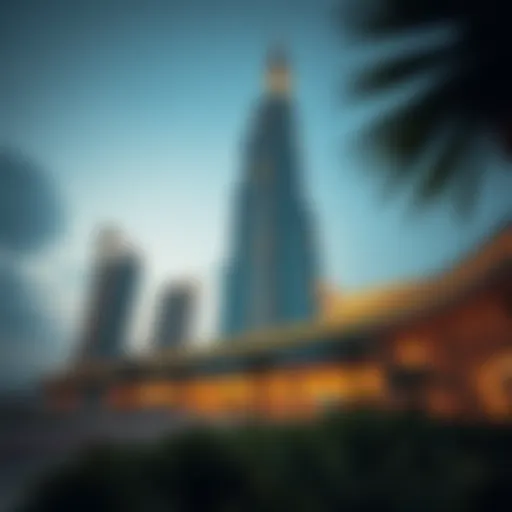
At the heart of the Festival Tower is a design philosophy that marries form and function. The architects have gone beyond creating a visually striking structure; they have infused it with a purpose. The tower showcases sleek lines and contemporary materials while incorporating traditional motifs that whisper tales of the region's history. The use of glass not only allows for breathtaking vistas but also creates an interplay of light that changes throughout the day, reflecting the dynamic nature of life in Dubai.
Factors that influence the design include:
- Contextual Awareness: The building is designed to fit seamlessly with its surroundings, taking into consideration its proximity to cultural landmarks.
- User Experience: Interiors are crafted to foster social interaction among residents and visitors, promoting a sense of community.
- Aesthetic Appeal: Attention has been paid to visual coherence, ensuring that each component contributes to a unified statement that resonates with both residents and tourists.
Integration of Cultural Elements
The Festival Tower is a canvas that celebrates the rich tapestry of Emirati culture. The integration of cultural elements serves as a reminder of the city’s roots and its aspirations. The architects have employed design techniques that reflect local patterns, colors, and textures.
For example, the facade employs traditional geometric patterns that tie back to centuries-old Islamic architecture, cleverly reinterpreted through a modern lens. Artwork throughout the building showcases local artisans, ensuring that the cultural narrative is not lost in translation. These elements include:
- Local Materials: Use of materials sourced from the UAE, connecting the structure with its homeland.
- Functional Spaces: Areas designed for cultural exhibitions and events, fostering an ongoing dialogue with art and heritage.
- Symbolic Features: Elements that symbolize growth and resilience, perhaps through landscaping or façade embellishments, echoing the city’s journey.
Sustainability Features
The commitment to sustainability in the design of the Festival Tower sets it apart. Sustainability is not just a buzzword here; it’s a fundamental aspect of the building’s architecture. Integrating green technologies and sustainable practices, the tower is a beacon of environmentally responsible design. The building features:
- Energy Efficiency: Smart building systems that monitor and reduce energy consumption.
- Water Conservation: Implementations like greywater recycling systems to mitigate waste.
- Green Spaces: Roof gardens and vertical gardens enhance air quality and provide natural habitats within the urban environment.
"Buildings should serve the community and not the other way around—this tower exemplifies that belief through its design and sustainability initiatives."
In summary, the architectural significance of the Festival Tower is marked by its design philosophy, cultural inflection, and commitment to sustainability, making it not just a building but a vital part of Dubai's story.The architectural elements connect back to the city’s essence, creating dialogues between the past, present, and future. These distinctive features position the tower as a pivotal landmark in the ongoing narrative of urban development in Dubai.
Functional Aspects of the Tower
Understanding the functional aspects of the Festival Tower is crucial for any stakeholder interested in Dubai's dynamic real estate environment. This facet encompasses various elements that directly influence daily life, economic activities, and the overall attraction of the tower itself. The Festival Tower's composition is designed not just for aesthetic appeal but for practical utility that meets the needs of residents, commercial tenants, and visitors alike.
Residential Units
The Festival Tower features a diverse range of residential units that cater to different lifestyles, from singles looking for compact, chic apartments to families seeking spacious multi-bedroom homes. The design integrates modern amenities with a touch of traditional aesthetics, ensuring that residents feel a sense of place amid Dubai's rapid growth.
For example, the inclusion of smart technology in apartments allows residents to control lighting, climate, and security systems from their smartphones. With breathtaking views of the Dubai skyline, living in the tower offers not only comfort but an experience that's hard to match.
"In a city that thrives on luxury, the Festival Tower seamlessly blends modern conveniences with a unique cultural backdrop."
Accessibility is another critical aspect. Each residential unit is designed with ease of access in mind. Elevators are spacious, and common areas are adapted for all ages and abilities.
Commercial Spaces
On the commercial side, the Festival Tower hosts a mix of retail outlets, office spaces, and dining establishments. This encourages a vibrant atmosphere where residents can work, shop, and socialize without straying far from home. The intricate layout promotes foot traffic, making it an appealing location for businesses.
Small startups can thrive alongside established brands, creating a diverse market that benefits from the tower's strategic location. Moreover, the inclusion of co-working spaces responds to the increasing demand for flexible work environments, ensuring that the commercial offerings meet the evolving needs of professionals.
- Strategic Location: The tower's position makes it a desirable site for businesses looking to attract both locals and tourists.
- Visually Appealing Spaces: The design of commercial spaces resonates with the tower’s overall architecture, creating a seamless experience for visitors.
Entertainment and Leisure Facilities
Entertainment and leisure options are plentiful within the Festival Tower. From rooftop lounges offering panoramic views to fitness centers equipped with the latest technology, the tower ensures that every aspect of life is catered to. Family-friendly facilities like children's play areas enhance the community feel, while upscale cinemas and theaters draw visitors from across the city.
The integration of green spaces within the tower promotes a sense of well-being, making it an oasis amid the urban hustle. These areas serve not just as relaxation spots but also as venues for community events and festivals, thereby enriching the social fabric of the building.
In summary, the functional aspects of the Festival Tower extend far beyond mere structures. They create a cohesive living environment that supports the diverse needs of its occupants. Each element, whether residential, commercial, or recreational, plays a vital role in making the tower a key landmark in Dubai's ever-evolving landscape.
Cultural and Community Impact
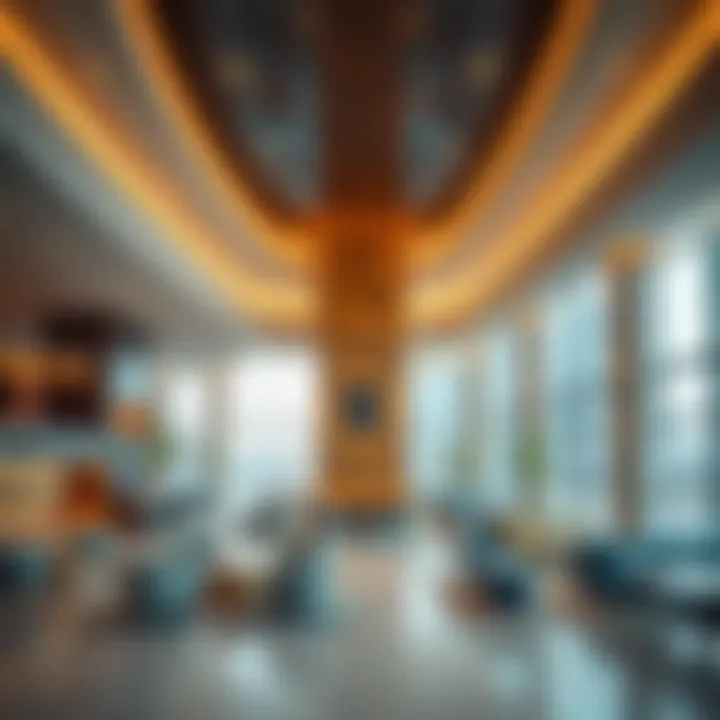
The Cultural and Community Impact of the Festival Tower serves as a vital framework for understanding its role beyond mere aesthetics or functionality. This section dives into how the tower has become a significant player in Dubai’s social landscape. The tower is not just an architectural gem; it acts as a catalyst for community cohesion and cultural exchange.
Events and Festivals Hosted
One of the standout features of the Festival Tower is its capacity to host a variety of events and festivals. This aspect is crucial for several reasons. First, it brings together diverse groups of people, fostering an environment of unity and collaboration. The tower's grand space often accommodates art exhibitions, trade fairs, and seasonal festivals that reflect local culture and traditions. For example, each year, the Dubai Shopping Festival sees the Festival Tower bustling with activity—local vendors, international artisans, and tourists flock to the venue, turning it into a vibrant marketplace.
Additionally, events often spotlight emerging artists and musicians, providing them a platform to showcase their work. This helps cultivate talent within the community and invites global recognition, enriching the local cultural scene.
"The Festival Tower is not just a building; it’s a communal heartbeat where creativity and diversity converge."
Community Engagement Initiatives
In an ever-evolving urban landscape, community engagement initiatives tied to the Festival Tower offer essential touchpoints for residents and visitors alike. Programs such as workshops, talks, and volunteer opportunities are organized regularly, aiming to stir a sense of belonging and participation among locals. For instance, community gardening initiatives encourage residents to come together, nurture greenery, and partake in environmental education, cultivating both plants and relationships.
These initiatives do more than just beautify the surroundings; they invite discussions about sustainability and responsibility. By involving local schools and organizations, the tower acts as a catalyst for education and inspiration, reflecting its commitment to fostering a holistic community environment.
Art and Public Installations
Art and public installations around the Festival Tower transform it into a living gallery, adding layers of meaning to the space. These installations often draw from the rich cultural tapestry of Dubai, integrating local symbolism with modern concepts. Renowned artists are invited to create pieces that provoke thought and instigate conversation. For example, a recent installation mirrored traditional Arabic motifs alongside contemporary art techniques, inviting both locals and visitors to engage with the art.
Furthermore, the multilingual plaques accompanying these installations serve to educate on both art and culture, promoting inclusivity amongst the diverse population. Public art serves as a landmark; it provides residents with a shared identity while making space for differing perspectives.
In summary, the Festival Tower extends its influence far beyond its physical presence, acting as a central hub for cultural expression and community interaction. By hosting events, engaging with the community, and supporting public art, it encapsulates the essence of urban living in Dubai, making it a beacon for cultural exchange and community spirit.
Market Trends and Investment Potential
In the heart of a rapidly evolving city like Dubai, the significance of market trends and investment potential cannot be overstated. The Festival Tower stands as a beacon amidst these changes, offering a unique blend of modernity and tradition that appeals to a wide array of investors, homebuyers, and expatriates. It’s crucial to understand these market dynamics, as they shape the future landscape and dictate the opportunities available for stakeholders.
Current Real Estate Trends in Dubai
Real estate in Dubai has experienced its fair share of ups and downs over the years, with recent shifts indicating a promising trend towards stabilization and growth. With factors such as an increasing expatriate population and a resurgence in tourism following the pandemic, the demand for properties, particularly in landmark developments like the Festival Tower, has surged.
- Prime Location: Properties close to key amenities, such as malls, schools, and transport links are thriving. Festival Tower’s location within vibrant districts enhances its allure.
- Regulatory Improvements: Recent regulatory changes have made it easier for foreign investors to navigate the market, offering them a measure of security that was previously lacking.
- Sustainable Living: Homebuyers are now prioritizing sustainability. Buildings that incorporate energy-efficient designs, such as Festival Tower, attract interest for their long-term viability.
With these trends in mind, the Festival Tower emerges not just as a place to live or work, but as a strategic investment option in an ever-competitive market.
Investment Opportunities in Festival Tower
Investing in the Festival Tower opens up several avenues that promise substantial returns. Unlike many developments that may focus primarily on luxury or high-end market segments, the Festival Tower strikes a balance between affordability, quality, and lifestyle. This versatility enhances its marketability and potential for profitability.
- Residential Units: Catering to diverse demographics, the tower includes apartments that appeal to young professionals as well as families, ensuring a broad tenant base.
- Commercial Spaces: With retail outlets and office spaces housed within its structure, investors can benefit from the growing demand for commercial real estate in a post-pandemic world.
- Short-Term Rentals: The Festival Tower’s amenities and location make it suitable for short-term rental markets, offering lucrative opportunities for investors looking to engage in vacation rentals.
Establishing a foothold in such a multifaceted development can yield financial security, particularly in the context of Dubai’s booming economy and favorable living conditions.
Forecast for Future Developments
As Dubai continues to position itself as a global hub, the future of the Festival Tower looks bright. Analysts predict that property values will increase steadily over the next decade, primarily due to the city’s ambitious initiatives around tourism, infrastructure, and business development.
- Economic Diversification: Projects like Expo 2020 and increasing foreign investments are expected to propel sustained growth. As new attractions and facilities come online, demand for space in the Festival Tower will likely follow suit.
- Urban Development Plans: Strategic urban planning highlights crucial developments around the tower, including parks and community centers, boosting its appeal.
- Global Recognition: As Dubai solidifies its status as a prime destination for international investors, projects within its landscape benefit from added prestige, reinforcing the case for investing in the Festival Tower.
"Dubai's real estate market, particularly developments like the Festival Tower, represents a unique opportunity for investors looking to leverage urban growth in a transformative landscape."
For more on market trends in Dubai, consider visiting Dubai Land Department. Check out Realtors in Dubai for updates and insights into available properties.
Challenges and Controversies
In any ambitious architectural project, it is natural that challenges and controversies will arise. The same holds true for the Festival Tower, a significant architectural entity within Dubai. Examining these challenges sheds light on the complexities involved in its construction and public perception. Addressing these elements not only provides a comprehensive view but also illustrates the intricate relationship between architectural innovation and societal expectations.
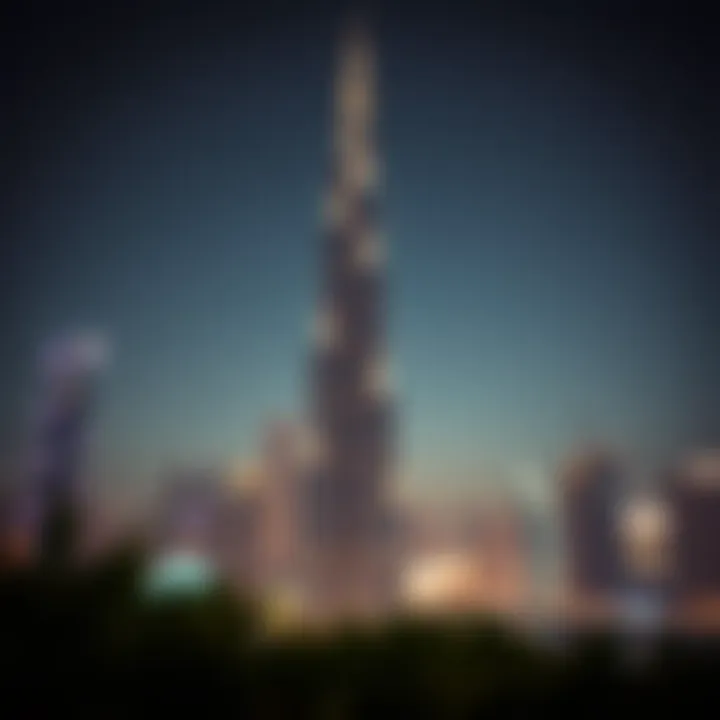
Construction and Development Issues
The journey of the Festival Tower hasn’t been entirely smooth sailing. From the onset of construction, a myriad of issues cropped up. Some of these stemmed from the sheer scale of the project and the unique design that posed significant engineering challenges. For example, the integration of advanced sustainability features within the tower required cutting-edge technology that wasn’t readily available at the finest margins. Additionally, logistical problems with sourcing materials and skilled labor meant that timelines often stretched longer than anticipated.
Understanding these construction hurdles is critical for several reasons:
- Insight into Project Management: The way these challenges were tackled reflects on the overall project management strategies employed. Evaluating these methods can provide valuable lessons for future large-scale constructions.
- Public Trust: Any delays or issues can shake public confidence, especially in a city where architectural prestige is paramount. Disruptions can lead to skepticism toward the project's ultimate success, thus eroding the enthusiasm surrounding it.
- Cost Implications: Setbacks in construction timelines can impact budgets significantly, raising concerns among investors and stakeholders regarding profitability.
Public Reception and Criticism
The Festival Tower has sparked conversations and opinions that vary widely, and nearly all this chatter comes back to its design and integration within the existing urban fabric. When an innovative structure emerges, it often polarizes sentiments. While some praise the tower as a symbol of progress, others criticize its perceived lack of harmony with local culture.
Photos of the tower are frequently circulated on social media, provoking a mixed bag of reactions. On one side, supporters commend its modern aesthetics and functionality.
"The Festival Tower stands as a testament to Dubai's ambition and growth. It is not just a building; it's a vision of a future where tradition and modernity coexist."
Conversely, skeptics argue that the tower deviates too far from the traditional architectural styles that characterize Dubai’s rich heritage. This divergence often stirs debates about the authenticity of cultural representation; is the design pushing boundaries or stepping over them? Navigating through this critical public reception is essential for investors and stakeholders as they assess the social and economic viability of the project in the long term.
Public opinion can shape several aspects:
- Market Appeal: For potential buyers or renters, the prevailing public perception often influences their decision-making process. This is especially true in a real estate market like Dubai, where cultural considerations hold substantial sway.
- Brand Image: The reputation of the Festival Tower can significantly affect its attractiveness to investors and partners. A strong image can lead to a cascading effect of commercial viability.
- Civic Engagement: Ongoing dialogues regarding the tower reflect broader societal values and priorities in Dubai, which in turn can galvanize community support or opposition for future developments.
As the Festival Tower continues to evolve within the skyline of Dubai, understanding these challenges and controversies becomes crucial—not just for stakeholders but for anyone eager to grasp the complexities of modern urban development.
Comparative Analysis
The importance of comparative analysis in exploring the Festival Tower cannot be overstated. Such analysis allows stakeholders—including investors, homebuyers, and analysts—to gain an in-depth perspective on how this architectural gem stands against other notable landmarks in Dubai, as well as its alignment with global architectural trends. By understanding the nuances of these comparisons, decision-makers can navigate the real estate market with greater confidence and insight. Moreover, analyzing the Festival Tower in the context of other structures can highlight its unique contributions while illuminating potential areas for improvement or innovation.
Festival Tower and Other Landmarks in Dubai
When one speaks of iconic structures in Dubai, it’s impossible to ignore the Burj Khalifa, the Palm Jumeirah, and the Dubai Marina. Each of these landmarks carries its own story and significance, yet the Festival Tower carves a niche for itself through its multi-functional design and cultural integration. For instance, while the Burj Khalifa dominates the skyline as the tallest building in the world, the Festival Tower aims to foster community through shared spaces and facilities.
- Burj Khalifa: Standing at an impressive height, this skyscraper serves primarily as a symbol of luxury and aspiration, attracting thousands of tourists and providing lavish residential opportunities.
- Palm Jumeirah: Known for its distinctive palm tree shape, it offers luxurious villas and resorts, catering to the high-end market.
- Dubai Marina: This area thrives on a vibrant lifestyle, combining residential, commercial, and leisure activities in one bustling coastal location.
The Festival Tower differentiates itself by focusing on accessibility and community engagement. The amalgamation of residential, commercial, and entertainment spaces creates a micro-ecosystem that is inviting and practical, a key consideration in its development. As urban planners continuously emphasize the importance of such mixed-use designs, the Festival Tower stands as a forward-thinking model of sustainable urban living.
Lessons from Global Architectural Trends
In reviewing worldwide architectural trends, it becomes evident that successful structures often marry functionality with aesthetic appeal. Elements such as sustainability, smart technology, and community involvement are more than just buzzwords—they are integral parts of today’s architectural language. For instance, buildings like the Bosco Verticale in Milan showcase the growing trend of vertical gardens, promoting biodiversity in urban settings.
- Sustainability Practices: Increasing importance is placed on green roofs, solar panels, and energy-efficient designs, which minimize carbon footprints and promote sustainable living.
- Smart Technology: The adoption of IoT devices in buildings enhances the user experience through automation and connectivity, making living spaces more efficient and responsive.
- Community Focus: Structures that prioritize public spaces and local engagement facilitate community building, making them more than just places to live or work.
The Festival Tower, drawing inspiration from these trends, integrates smart technology and sustainable design throughout its framework. For example, utilizing local materials and incorporating solar power systems are reflective of its commitment to environmental consciousness. By analyzing its progressive architectural elements against global standards, stakeholders can appreciate not only the value of the Festival Tower but also the forward trajectory of urban development in Dubai.
"Understanding the intricate relationship between architecture and community needs will dictate the future of urban spaces, making buildings like the Festival Tower essential for growth."
The End and Future Outlook
The Festival Tower encapsulates the spirit of modern urban development, acting as a keystone in Dubai's architectural narrative. Its multifaceted design and functionality not only highlight how contemporary structures can coexist alongside rich cultural heritage, but also showcase the potential for future expansions and transformations in urban landscapes throughout the region. Examining the Festival Tower allows us to glean critical insights into the evolving real estate market and shifts in architectural trends, while also providing concrete evidence of how public spaces can foster community interactions and enhance urban livability.
Key Takeaways
- Integration of Modernity and Tradition: The Festival Tower's design melds sleek modern lines with traditional motifs, reflecting the duality of Dubai’s identity. This blend results in a structure that attracts both international investment and local appreciation.
- Investment Viability: The tower continues to present numerous investment opportunities as it promises both rich rental yields and a strong appreciation in property value, vital aspects for investors keen on Dubai's flourishing market.
- Cultural Hub: The role of the Festival Tower as a cultural and community focal point is paramount. The events hosted and artistic installations engaged not only by visitors but residents show how architecture can foster a sense of community.
Vision for the Future
Looking ahead, the Festival Tower stands not just as a static structure, but as a dynamic part of a larger urban ecosystem. With ongoing city-wide initiatives aimed at sustainability and community engagement, the future seems promising.
- Sustainable Urban Living: As cities grapple with climate change, the Festival Tower is poised to remain at the forefront of that conversation, integrating advanced eco-friendly technologies in its operations and maintenance.
- Innovative Use of Spaces: There are ongoing plans to further diversify the spaces within the tower for better use—think co-living arrangements coupled with explosive commercial ventures. Such innovative approaches will likely lead to a heightened interest from both domestic and foreign buyers.
- Continued Cultural Engagement: Future installations and festivals are hinted at, further solidifying its role in the arts and culture ecosystem of Dubai. By nurturing relationships with artists, local businesses, and cultural institutions, the tower can expand its influence.
With these factors at play, the Festival Tower is not just a remarkable piece of architecture but a beacon of evolving urban life in Dubai—thriving, engaging, and inspiring.
"The future belongs to those who believe in the beauty of their dreams." - Eleanor Roosevelt
For more detailed analyses on urban development trends, resources like Britannica and Wikipedia might provide further insights.