
Exploring Arabian Architecture's Influence on Dubai Real Estate
Intro
The architectural narrative of Dubai is woven with threads of rich Arabian heritage and contemporary innovation. In a city that thrives on a blend of the old and the new, understanding how Arabian architectural traditions influence the ever-evolving real estate market is crucial. Emirate architecture is not merely a backdrop; it’s a living expression of culture, identity, and aspiration, reflecting the values and lifestyles of its inhabitants. This interplay between heritage and modernity sets the stage for a unique real estate landscape that continues to attract investors, homebuyers, and expatriates alike.
From the stunning curves of traditional mashrabiya screens to the soaring lines of modern skyscrapers, Dubai’s buildings tell a story of adaptation and resilience. The city's architectural footprint is deeply rooted in Arabian design principles, yet it continually evolves to meet contemporary needs, fostering a dynamic real estate environment. In doing so, it highlights the cultural significance of building designs that resonate with historical contexts, while also embracing trends that push the envelope of modern architecture.
In this article, we’ll embark on a journey through the architectural influences that shape both residential and commercial properties in Dubai. We’ll dive into market insights, dissecting current trends and anticipated future opportunities. Moreover, I will offer investment strategies that are essential for making informed decisions within this thriving landscape. Let’s begin by uncovering the current market dynamics.
Historical Overview of Arabian Architecture
Understanding the historical context of Arabian architecture is pivotal for grasping its role and influence on modern commercial and residential real estate in Dubai. This rich architectural heritage provides insights into cultural identity, societal norms, and geographical influences that have shaped the region's unique building styles. The architecture tells stories of resilience, adaptation, and ingenuity—qualities that continue to inform current developments in the emirate.
The amalgamation of different historical influences over centuries has imbued Arabian architecture with a distinct character, making it a critical point of interest for investors, homebuyers, and analysts alike. A thorough examination of the evolution of these architectural styles not only illuminates the past but also informs present and future trends in real estate.
Origins of Arabian Architectural Styles
The roots of Arabian architectural styles can be traced back thousands of years, influenced by a convergence of nomadic traditions and settled lifestyles. Early structures were predominantly made from materials such as stone, clay, and mud brick, reflecting the region’s innate resources and climate. For instance, the use of adobe techniques allowed builders to regulate indoor temperatures, crucial for desert locales.
As trade routes flourished, the region became a melting pot of cultures, with architectural styles borrowing elements from the Greeks, Persians, and later, the Ottomans. The incorporation of domes, minarets, and intricate tile work became prevalent, and cities like Baghdad and Cairo emerged as architectural epicenters. The distinct style formed during this period laid the groundwork for what we now recognize as Arabian architecture, evolving with each passing era.
Influence of Islamic Design Principles
The advent of Islam in the 7th century marked a transformative era for Arabian architecture. The principles laid out in Islamic design emphasize harmony, balance, and intricate detailing. One key aspect is the avoidance of representational imagery in many religious buildings, fostering a focus on geometric patterns, calligraphy, and arabesques. This shift created a resurgence in ornamental design, impacting not only mosques but also public buildings and marketplaces—an aspect that adds aesthetic value to real estate today.
Moreover, the mosque became a vital community center. The spatial arrangement within such structures, with open courtyards, leads to a sense of community and shared experience, which is fundamental to understanding contemporary building layouts in Dubai. The presence of these principles persists, often reflected in the architectural choices made by modern developers aiming to echo tradition in a rapidly evolving urban landscape.
Regional Variations in Arabian Architecture
Arabian architecture is not a monolith; it exhibits notable regional variations shaped by local customs, climate, and available materials. For instance, in the coastal areas, coral stones were commonly used, leading to structures that offer natural cooling. Conversely, in the mountainous regions, the emphasis leaned towards wood and stone, creating robust buildings tailored to withstand weather elements.
Cities across the Gulf have developed their unique styles. The traditional wind towers found in places like Dubai serve both practical and aesthetic purposes—ventilating interiors while becoming distinctive architectural features. Similarly, the mud-brick buildings of Yemen's Old Sanaa demonstrate adaptability to local needs, seamlessly blending functionality with beauty.
As developers in Dubai navigate this rich tapestry of architectural influences, understanding these regional distinctions becomes essential for creating appealing residential and commercial properties. By honoring traditional aesthetics while embracing modern construction methods, the city remains a splendid example of how heritage informs contemporary design.
Key Elements of Arabian Building Design
Understanding the key elements of Arabian building design is crucial for anyone wanting to appreciate the intricate layers of culture and aesthetics that influence Dubai's architectural landscape. The blend of traditional practices with modern innovation creates a unique environment that is both visually appealing and practical. This section explores the pivotal components that define Arabian architecture, emphasizing how these elements not only serve functional purposes but also reflect the region's rich heritage.
Use of Natural Materials
Natural materials feature prominently in Arabian architecture. They bring an authenticity and connection to the environment that resonates with occupants and visitors alike. The warmth of stone, the texture of mud, and the flexibility of wood are not merely choices; they are embodiments of the landscape and culture from which they originate.
Stone and Mud Construction
Stone and mud construction has been a staple in Arabian architecture for centuries. Using locally sourced materials helps maintain a semblance of harmony with the surroundings. The heat-retentive properties of mud bricks are particularly useful in desert climates, as they can keep interiors cool during the blistering heat of the day. Additionally, stone provides durability that can withstand the test of time and weather.
However, while stone offers longevity, it can be heavy and costly. Mud, while sustainable and great for insulation, might require maintenance over time to prevent erosion. Recognizing the balance between durability and sustainability in using these materials is vital when analyzing Arabian architecture's impact.
Wood and Palm Fronds
Also, wood and palm fronds are frequently used in construction, especially in coastal areas. They provide a lightweight and flexible option for roofing structures and also add an aesthetic that is in line with traditional designs. Using palm fronds is particularly beneficial as it reflects a cultural connection to the region's history, being one of the earliest available resources used.
A major advantage of wood is its versatility. It can be treated and molded into intricate designs. Yet, wood must be carefully sourced to prevent overharvesting, which is a growing concern. In contrast, palm fronds, while sustainable, may not offer the same longevity as stone, raising questions about their long-term use in structural applications.
Architectural Features
The architectural features of Arabian buildings are not only stunning but also thoughtfully designed for practicality and beauty. Each feature tells a story and serves a purpose, whether it is to provide shade from the sun or to create an inviting community space.
Domes and Arches
Domes and arches are among the most recognizable features in Arabian architecture. They have been employed throughout history to create dramatic and open interiors while allowing for effective ventilation and cooling. The elegance of domes can elevate even the simplest of structures, adding an air of sophistication.
These elements also symbolize prosperity and strength, often highlighting significant buildings, like mosques and public facilities. However, constructing domes and arches can be complex and sometimes requires specialized skills and materials, which can affect costs and practicality.
Courtyards and Mashrabiya
Another significant feature is the courtyard and mashrabiya, which serves as a functional yet delightful aspect of architecture. Courtyards act as central gathering spaces, promoting social interaction while providing privacy. They often contain lush gardens, offering a slice of nature amidst urban life.
Mashrabiya are intricately designed wooden screens that offer cooling shade and privacy while allowing airflow. Their aesthetic appeal enriches the building's facade, yet they require skilled craftsmanship to create. Each of these elements, therefore, reflects not only the functional needs but also the artistic expression that defines Arabian architecture.
Decorative Elements and Calligraphy
The decorative elements of Arabian buildings, particularly calligraphy, showcase the region's deep ties to art and spirituality. The intricate patterns and inscriptions can be seen everywhere, from grand mosques to residential homes. These embellishments serve not only to beautify the structures but also to tell stories and convey messages rooted in faith and history.
Calligraphy in particular is an art form that transcends mere decoration; it embodies the soul of the culture. Its integration into architectural design is reflective of a broader commitment to beauty, thoughtfully bridging the gap between the sacred and the practical. As buildings in Dubai continue to evolve, the preservation and appreciation of these decorative elements are essential for maintaining a connection to the rich tapestry of Arabian heritage.
Modern Interpretations of Arabian Architecture
Modern interpretations of Arabian architecture reflect a marriage of traditional aesthetics with contemporary sensibilities. This fusion not only meets the demands of modern living but also acknowledges the cultural heritage embedded in the distinct architectural styles of the region. As Dubai continues to grow as a global metropolis, its architectural landscape shows how the past and future can coalesce, resulting in innovative designs that appeal to a diverse array of investors, expatriates, and homebuyers.
Contemporary Innovations
In recent years, architects in Dubai have embarked on journeys to reinterpret classic Arabian design. These contemporary innovations are not mere replicas of the past but instead intelligent adaptations that speak to current lifestyles and environmental considerations. For example, the intricate mashrabiya, a traditional latticework window screen, is often reimagined using advanced materials and techniques that allow for greater light optimization and air circulation in high-rise buildings.
On the flip side, buildings such as the Burj Khalifa stand as a testament to the harmonious blend of negative space with traditional motifs. This tower captures not only height and grandeur but also pays homage to traditional Islamic patterns through its tapering design. Such structures resonate with the spirit of Arabian culture while embracing modern engineering principles.
- Use of innovative materials like carbon fiber and glass
- Blending sustainable practices into design, for instance, solar panels integrated within aesthetic structures
- Showcasing local artisanship through contemporary art installations that adorn modern buildings
Integration of Technology in Design
Modern technology plays a pivotal role in shaping the new face of Arabian architecture. Integration of technology enhances both functionality and sustainability. With smart building systems becoming the norm, properties equipped with artificial intelligence for energy management and climate control not only reduce operational costs but also appeal massively to eco-conscious buyers.
Moreover, technology facilitates the visualization of designs through tools such as Building Information Modeling (BIM), allowing architects to experiment and iterate in ways not previously possible. This collaborative platform fosters creativity and efficiency from conception to construction. Such alignment is essential for Dubai, where rapid urbanization demands quick but thoughtful architectural responses.
Homebuyers and investors are increasingly attracted to properties that boast of advanced technological features. Not just energy efficiency, but also aspects like smart security systems and integrated home automation are highly coveted. As these features grow in importance, builders face the challenge of ensuring that technology complements rather than overshadows the essence of traditional Arabian architecture.
"The best buildings not only reflect their time and place but also honor the past without being imprisoned by it."
Cultural Significance of Arabian Buildings
The cultural significance of Arabian buildings stands as a testament to the rich history, unique traditions, and diverse societal values of the Arab world. These structures serve not merely as physical spaces but also as vibrant symbols reflecting the identity and heritage of their communities. Understanding this significance is crucial for appreciating how architectural styles convey deeper meanings and reinforce the connections within the local populace.
Symbols of Heritage and Identity
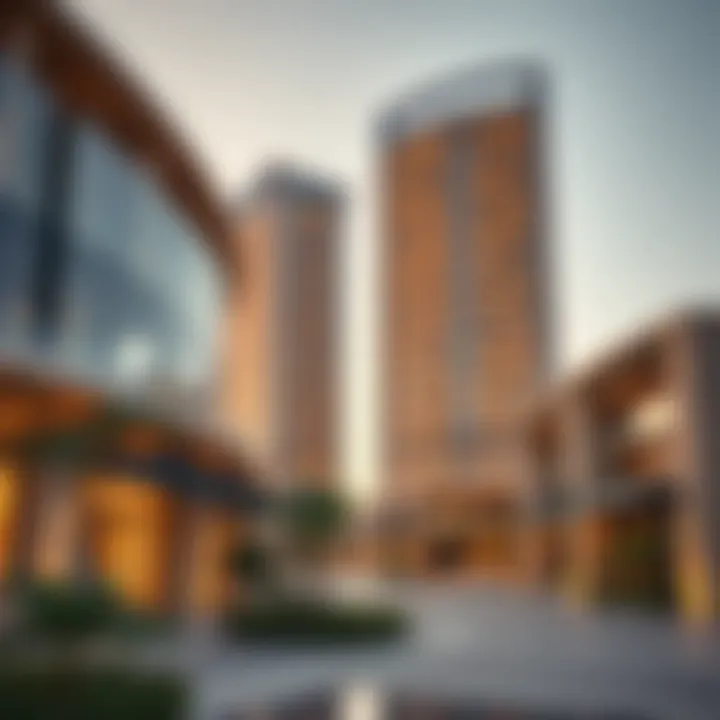
Arabian architecture often embodies centuries-old craftsmanship and serves as a powerful symbol of heritage and identity. Each building tells a story, reflecting the artistic influences and climatic adaptations that have shaped its design. For instance, the telling contrast between the ornate calligraphy on the facades of mosques, like the Sheikh Zayed Grand Mosque in Abu Dhabi, and the simpler forms of traditional mud-brick houses illustrates the evolution of style across different eras and social strata.
The materials utilized in these buildings—such as limestone, clay, and palm fronds—not only celebrate local resources but also create structures uniquely attuned to the environment. This harmony between the built environment and nature conveys a sense of belonging and pride that resonates deeply with the communities they serve.
Additionally, many of these buildings, such as the historic forts of Oman or the customary houses in Yemen, are recognized as UNESCO World Heritage sites. Their preservation goes beyond aesthetics; it represents a commitment to maintaining a cultural identity in the face of globalization. As a result, these structures act as pillars of communal memory, uniting people through shared history and traditions.
Impact on Community Cohesion
Arabian buildings profoundly influence social dynamics within communities. They provide more than just spaces for living or working; they create focal points for interaction. Open courtyards, for example, are integral features that invite community gatherings, fostering a sense of togetherness. In Dubai, the traditional wind towers or 'barjeel' are testament to the ingenuity of past generations—they not only provided ventilation but also served as gathering places for families and friends.
Moreover, the architectural layout of neighborhoods—particularly in heritage sites—often reflects cultural norms, such as the separation of communal and private spaces. The design of these spaces can enforce social structures and promote community involvement. Social interactions that occur in, around, and through these buildings contribute to a cohesive community identity.
Ultimately, the significance of Arabian buildings reaches beyond their physical form, addressing important aspects of heritage, identity, and togetherness. They shape the psychological and social landscapes of their environments, providing residents with a sense of belonging and continuity grounded in cultural traditions.
"Architecture should speak of its time and place, but yearn for timelessness."
Through the lens of culture, it becomes clear that these building designs are not just functional but essential for preserving the essence of what it means to belong to an Arabian heritage. As developers and investors consider the real estate landscape in Dubai, recognizing this cultural significance can lead to more meaningful developments that resonate with the community's historical backdrop.
Sustainability in Arabian Construction
Sustainability is becoming a cornerstone in the realm of Arabian construction, especially in the rapidly evolving landscapes of urbanization like Dubai. The importance of sustainable practices cannot be overstated as it not only addresses the environmental concerns but also aligns with the cultural appreciation of Arabian architecture. Building in a sustainable manner helps balance the beautiful, rich traditions of the past with the pressing realities of resource management today. Efforts toward sustainability enhance the durability of structures, reduce the ecological footprint, and elevate the aesthetic appeal while also promoting a meaningful interaction between nature and the built environment.
Traditional Practices Promoting Sustainability
Traditional Arabian construction techniques inherently carry sustainable principles. Many of these practices stem from centuries of regional experience, where builders relied on locally available materials and methods suitable for the harsh climate.
- Use of Natural Materials: Structures were primarily made from materials like mud, stone, and palm fronds. These natural materials not only offer durability but also maintain comfortable indoor temperatures, reducing the need for mechanical cooling.
- Passive Design Strategies: Old Arabian buildings often featured thick walls and high ceilings that provided natural insulation. Courtyards were common, allowing cooling breezes to flow freely throughout the space. This shows a fundamental understanding of climate-responsive design.
- Water Management Techniques: Many traditional constructions included sophisticated methods to collect and store rainwater, which was crucial in arid regions. The use of underground cisterns and qanat systems showcased early ingenuity in water conservation.
By focusing on these traditional practices, modern builders can create structures that honor heritage while addressing contemporary environmental challenges.
Modern Sustainable Designs
In today’s context, sustainable design in Arabian architecture has seen a shift towards integrating modern technologies and sustainable materials while still paying homage to traditional aesthetics.
- Green Building Certifications: Buildings such as The Sustainable City in Dubai exemplify this blend. The project focuses on energy efficiency, water conservation, and utilizing renewable energy sources like solar power. Many new developments aim for LEED (Leadership in Energy and Environmental Design) certification, indicating a commitment to sustainability.
- Smart Technologies: Utilizing smart technology allows for efficient energy management systems in residential and commercial spaces. For instance, automated systems that adjust indoor temperatures based on occupancy can significantly reduce energy consumption.
- Innovative Use of Renewable Resources: More and more architects are integrating solar panels and green roofs into new designs. These features not only reduce energy costs but enhance biodiversity by supporting urban flora and fauna.
These modern sustainable designs are not just trends; they are necessary shifts toward a more responsible way of dwelling in a rapidly changing world.
"The integration of sustainability into architectural practices in Dubai showcases a recognition that the quest for a modern identity must embrace environmentally sound principles."
In summary, the sustainability efforts in Arabian construction, both traditional and modern, reflect a deep respect for the environment and cultural identity. As awareness grows, so does the significance of these practices in shaping a sustainable future for Dubai's real estate landscape.
The Role of Arabian Architecture in Dubai's Real Estate Market
Arabian architecture represents more than just physical structures; it encapsulates a heritage, a way of life, and a narrative that resonates within Dubai's ever-evolving real estate market. In an environment characterized by rapid urbanization, the demand for authentic architectural styles becomes paramount, making it an essential factor for potential investors, homebuyers, and real estate agents. The role of Arabian architecture in shaping the market cannot be overstated, as it links tradition and innovation, capturing both local identity and global appeal.
The importance of this topic lies in its ability to inform strategic decisions related to property investments and developments that are sensitive to cultural nuances. Furthermore, understanding architectural styles helps in appreciating how they influence not just aesthetic trends but also factors like desirability, layout, and even pricing.
Market Demand for Authentic Architectural Styles
The desire for properties that echo authentic Arabian architectural styles has surged among various demographics. Local residents, expatriates, and tourists alike seek homes and commercial spaces that offer more than just functionality – they want a slice of cultural identity. Architectural elements like intricate woodwork, traditional mashrabiya, and patterned tile work resonate deeply with those who appreciate both history and artistry.
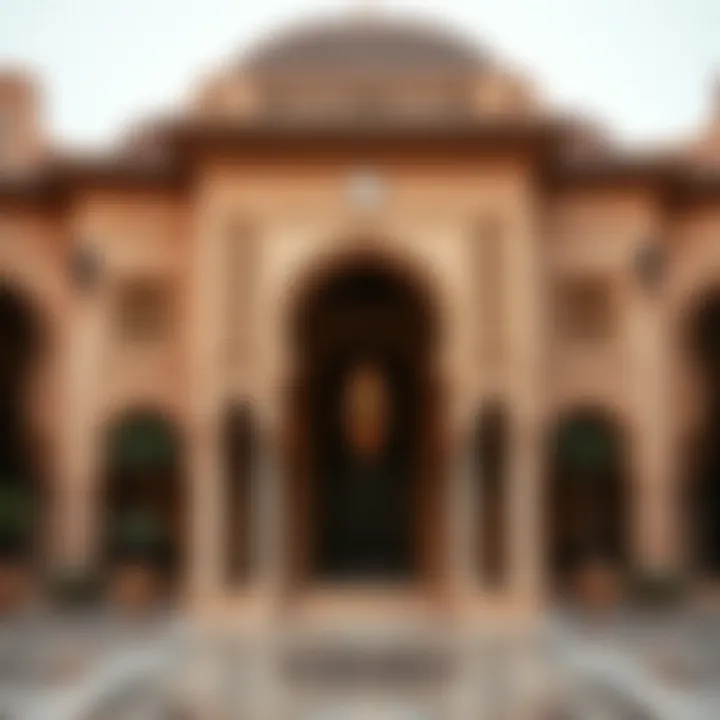
A prime example of this trend is the ongoing interest in developments like Al Fahidi Historical Neighborhood, which reflects the charm of old Dubai with its sand-stone buildings and wind towers. Buyers are increasingly inclined to pay a premium for homes that mirror these traditional styles, thereby making them not just places to live but also symbols of cultural pride.
- Cultural Connection: Buyers often feel a sense of belonging when residing in homes that reflect their heritage or that of the community.
- Market Differentiation: Real estate projects that integrate these styles stand out, enhancing their attractiveness to potential investors.
- Sustainability Appeal: Authentic designs often utilize local materials, aligning with growing sustainability trends, further boosting market value.
Influence on Property Valuation
The impact of Arabian architectural styles extends into property valuation, where features and stylistic elements can significantly sway market prices. Properties designed with a focus on traditional Arabian aesthetics not only stand out in listings but also typically command higher prices than their more conventional counterparts.
- Unique Selling Points: Traditional features act as selling points that real estate agents highlight, often justifying higher rates.
- Cultural Significance: Properties that celebrate local heritage tend to maintain value over time, especially in a culturally rich city like Dubai. This aspect attracts long-term investors who see these homes as not just transactions but as long-term assets.
- Rising Popularity: As the demand for authentic properties grows, it can create a ripple effect in valuation. This push affects not only premium properties but increasingly influences middle-market segments to adopt similar stylistic features.
"Buyers these days want a home that tells a story, not just a structure with four walls," remarks an industry analyst specializing in Dubai’s real estate trends. Indeed, as Arabian architecture plays a pivotal role in enhancing property allure within the market, it becomes clear that these architectural motifs will shape the future of Dubai's dynamic real estate landscape indefinitely.
For further reading and understanding of traditional Arabian architecture’s contribution to market dynamics, resources like Encyclopedia Britannica provide a wealth of historical context. This unique blend of heritage and modernity remains an essential consideration for anyone navigating Dubai's real estate market.
Challenges Facing Arabian Architecture Today
As we delve into the world of Arabian architecture, it's crucial to highlight the challenges that are currently shaking things up in this domain. Urbanization and the relentless march of change have sparked a transformation. Amidst this rapid evolution, the delicate balance between modernization and tradition hangs in the balance. Understanding these challenges not only paints a clearer picture of where Arabian architecture stands today but also sheds light on its future within the real estate landscape of Dubai.
Urbanization and Change
Urbanization in Dubai is like a domino effect, turning a once tranquil desert into a modern metropolis with towering skyscrapers. This rapid development, while undoubtedly impressive, often clashes with the traditional architectural style that has characterized Arabian culture for centuries. New high-rises, shopping malls, and luxurious hotels replace older buildings, sometimes at the expense of historical sites. The zero-sum game here is that as the city morphs to meet the needs of a growing population and a booming economy, unique aspects of Arabian architecture might get lost in translation.
The challenge lies in ensuring that Dubai's architectural identity is not smothered under concrete and glass. For example, the majestic Bastakiya Quarter has faced pressures from new developments nearby, threatening its preservation. The foundation of this dilemma rests on the question: how can Dubai retain its architectural heritage while still catering to the demands of modern life?
It's not just about the search for more space, either. The very character of the city is influenced by its built environment - the call to maintain harmonious integration of old and new is louder than ever. This tug-of-war isn’t just about aesthetics, it's about identity. To bridge this gap, urban planners and architects need a fresh perspective. A philosophy blending innovative design with respect for historical frameworks can guide the way forward.
Preservation of Traditions amidst Modernization
Balancing the scales of preservation and modernization can feel like an uphill battle. As Dubai strides forward, the pressing need to protect and celebrate its architectural lineage becomes sharper. Take the Al Fahidi Historical District, where traditional wind towers still stand. This area symbolizes the city’s rich history, but it also serves as a stark reminder of what could be jeopardized. The threat of neglect or rapid demolition is ever-present when developers rush to capitalize on land value.
Preserving traditions amidst the clamor for progress requires strategic vision and commitment. One method gaining traction is the adaptive reuse of existing structures. This approach often revitalizes old buildings for new purposes while retaining their original character. For instance, converting traditional houses into art galleries or cafes marries the past with the present, fostering a sense of nostalgia whilst keeping cultural traditions alive.
Involving the community in preservation efforts can also yield fruitful outcomes. When residents and local businesses participate in discussions about architectural practices and restorations, it fosters pride in shared heritage. Educating the next generation about the importance of these structures can instill a sense of responsibility. When people recognize the stories behind their architectural landmarks, they’re more likely to fight for their preservation.
Future Trends in Arabian Building Design
As the world shrinks down thanks to globalization, the impact of external influences on local design practices has been remarkable. In Arabian architecture, this is particularly vital as it melds into the unique preferences and cultural context of the region. Understanding future trends in Arabian building design is not just about predicting what buildings will look like; it reflects wider changes in demographics, lifestyles, and technology that will shape living experiences in a rapidly evolving urban environment. For investors, homebuyers, and even real estate analysts, grasping these trends can offer a competitive edge in navigating the ever-changing landscape of Dubai's property market.
Emerging Styles Influenced by Global Trends
While Arabian architecture carries a historical weight and entrenched cultural significance, it is also increasingly influenced by contemporary global trends. An important aspect is the shift towards minimalism that draws on clean lines and functional forms. For instance, the introduction of structures that favor open spaces, reminiscent of Scandinavian designs, is becoming common. This blend of styles allows for both aesthetic appeal and practical utility.
Moreover, there's the recent capitalization on biophilic design principles which integrate nature with urban living. Buildings now feature vertical gardens and natural light, creating environments that not only look good but also promote well-being. This trend aligns with rising concerns about health and sustainability, making it particularly appealing to young professionals and families relocating to Dubai.
The fusion of modern materials and traditional designs is another notable phenomenon. Glass, steel, and recycled materials are actively used while drawing inspiration from age-old patterns and shapes. This combination respects the past while firmly planting a stake in the future.
Building façades that dance between the traditional mashrabiya and sleek modern finishes are sure to capture attention on Dubai's skyline as a reflection of how interior design can resonate with external aesthetics.
Predicted Changes in the Real Estate Landscape
The landscape of real estate in Dubai is predicted to morph substantially as these new architectural trends take hold. First off, properties that feature blended styles and sustainable designs are likely to have increased value. Investors will need to focus on developments that promise not only a return on investment but also an engaging and contemporary lifestyle for future occupants.
Additionally, as urban lifestyles continue to change, there’s a palpable pivot toward mixed-use developments. These are spaces where living, working, and leisure blend seamlessly—think of vibrant community hubs that reduce reliance on vehicles and encourage walking. This trend can potentially enhance property values and attract a variety of buyers, from families to young tech entrepreneurs.
Investors should also be on the lookout for shifts in rental markets as a direct result of these trends. With modular and flexible living spaces gaining traction, the demand for adaptable units is expected to rise. Short-term rentals that can be repurposed for longer stays or different demographics are becoming key differentiators for savvy property owners.
"The built environment of tomorrow in Dubai will not only tell the story of its past but will also embrace its future needs through design and innovation."